
In today’s advanced manufacturing sector, choosing the right welding technology is crucial for productivity and quality. Understanding Laser Welding Machine Price helps businesses make informed decisions while balancing performance, precision, and long-term value. As industries evolve, laser welding has become a preferred solution due to its accuracy and speed. Laser Machine Manufacturers continue to innovate, offering machines that meet diverse industrial needs without compromising efficiency.
Laser Welding Machine Price and Factors That Influence Cost
When evaluating Laser Welding Machine Price, several technical and operational factors play an important role. The most significant factor is laser power. Machines with higher wattage offer deeper penetration and faster welding but naturally come at a higher cost. Additionally, automation features, software integration, and cooling systems directly impact pricing.
Another major factor is the type of laser source used. Fiber lasers are generally more expensive than traditional options, but they provide better energy efficiency and longer service life. Machine build quality and safety features also affect overall investment. Laser Machine Manufacturers focus on durable components to ensure reliability in demanding industrial environments.
Laser Welding Machine Price Comparison by Application Area
Different industries require different welding capabilities, which influences Laser Welding Machine Price across sectors. In automotive manufacturing, high-speed precision welding systems are essential for structural components. These machines are priced higher due to their advanced control systems.
In contrast, jewelry and medical equipment manufacturing often require compact machines with fine control. These systems are typically more affordable, yet they deliver exceptional accuracy. Sheet metal fabrication, electronics, and tool manufacturing fall somewhere in between, with prices reflecting power output and customization options provided by Laser Machine Manufacturers.
Laser Welding Machine Price Based on Machine Type
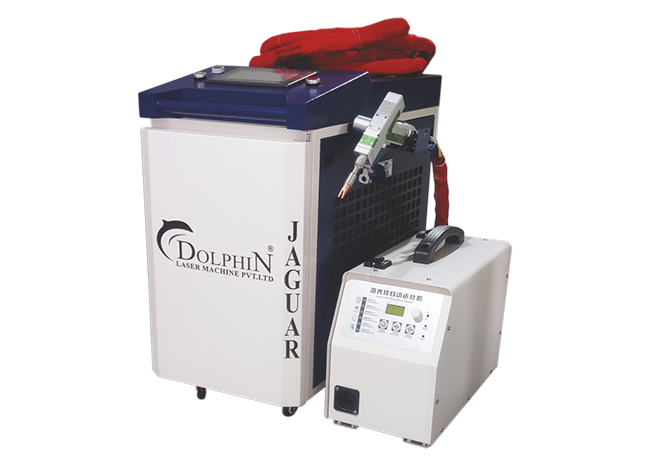
Understanding machine categories helps clarify Laser Welding Machine Price differences. Handheld laser welding machines are more economical and ideal for small workshops or repair tasks. They offer flexibility and ease of use, making them a cost-effective entry point into laser welding.
Fully automated laser welding systems, however, are designed for large-scale production. These machines include robotic arms, CNC integration, and real-time monitoring systems. While the initial cost is higher, automation significantly reduces labor expenses and improves consistency, making them a smart long-term investment supported by leading Laser Machine Manufacturers.
Laser Welding Machine Price and Long-Term Cost Efficiency
Although Laser Welding Machine Price may seem high initially, long-term operational savings make it a valuable investment. Laser welding consumes less energy compared to traditional welding methods, reducing electricity costs. Minimal material wastage and lower rework rates further contribute to savings.
Maintenance requirements are also lower due to fewer consumables and contact-free operation. Over time, these advantages offset the purchase cost. Laser Machine Manufacturers design systems with longevity in mind, ensuring stable performance even under continuous industrial use.
Laser Welding Machine Price vs Traditional Welding Methods
Comparing Laser Welding Machine Price with conventional welding methods highlights clear advantages. Traditional welding often involves higher labor costs, slower processing, and inconsistent results. Laser welding delivers clean joints with minimal distortion, reducing post-processing efforts.
Additionally, laser welding supports advanced materials such as aluminum alloys, stainless steel, and titanium with ease. While traditional machines may appear cheaper upfront, their operational inefficiencies make laser welding a more cost-effective solution in the long run. Laser Machine Manufacturers emphasize this shift as industries aim for higher precision and productivity.
Laser Welding Machine Price and Buying Considerations
Before finalizing a purchase, evaluating Laser Welding Machine Price in relation to business requirements is essential. Buyers should assess production volume, material type, and future scalability. Investing in a machine that meets both current and future needs prevents costly upgrades later.
Technical support and training availability also matter. Reputed Laser Machine Manufacturers provide after-sales service, spare parts availability, and operator training, ensuring smooth integration into existing workflows. These factors significantly enhance the overall value of the investment.
Laser Welding Machine Price Trends in Modern Manufacturing
The demand for automation and precision continues to influence Laser Welding Machine Price trends. As technology advances, machines are becoming more efficient and versatile. Competitive manufacturing has also led to better pricing options without compromising quality.
Customization is another growing trend. Industries now prefer tailored solutions that match specific production requirements. Laser Machine Manufacturers respond by offering modular designs, allowing businesses to control costs while achieving desired performance levels.
Laser Welding Machine Price Conclusion for Industrial Buyers
Understanding Laser Welding Machine Price is essential for businesses aiming to enhance production quality and efficiency. While initial costs vary based on power, application, and automation level, the long-term benefits outweigh the investment. Precision, speed, and reduced operational costs make laser welding a strategic choice.
With continuous innovation and reliable support from Laser Machine Manufacturers, laser welding machines deliver consistent value across industries. A well-informed purchasing decision ensures improved productivity, superior weld quality, and sustainable manufacturing growth.